

 Displacement
 Mileage - ARAI
 Kerb Weight
 Fuel Tank CapacityBraking System
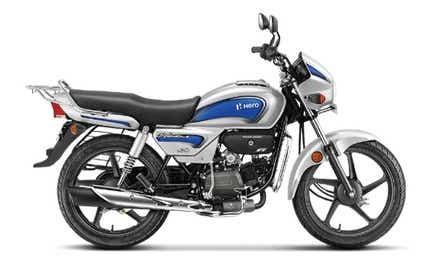
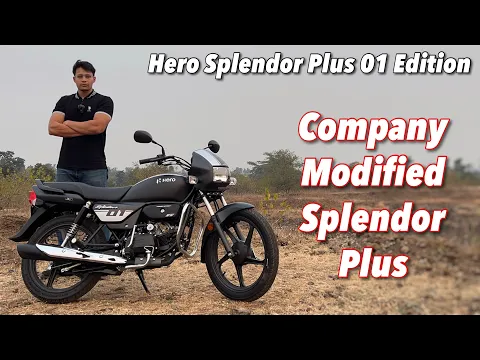
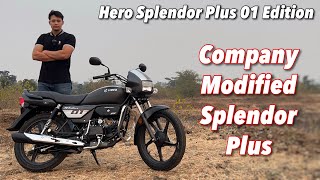
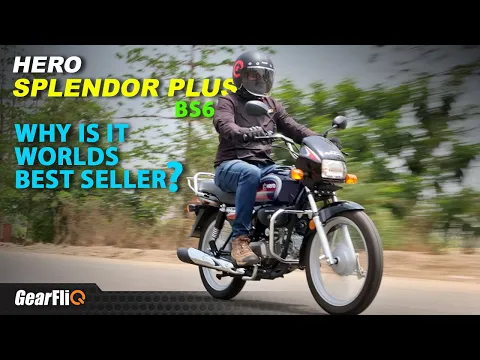
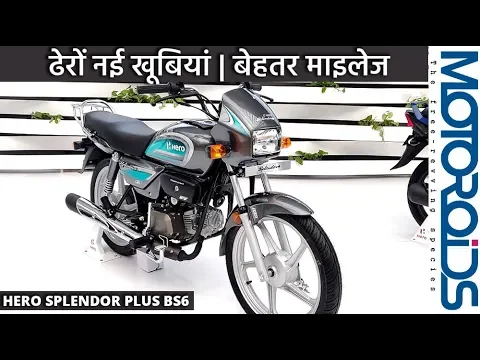
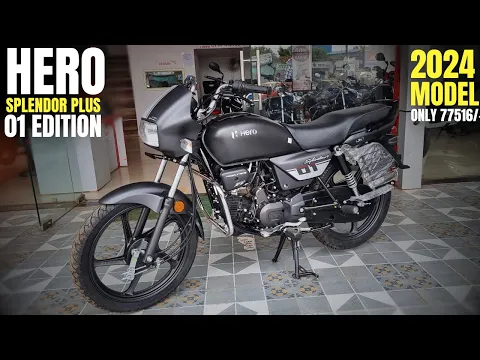
Few motorcycles in the world carry the kind of weight this motorcycle carries in India. It put an entire generation of Indian families on two wheels. The design has evolved gradually over thirty years, always staying practical and never chasing trends it does not need. The slim profile, upright stance, rectangular fuel tank, and long single-piece seat remain defining features.
The 2025 version gets fresh colours, including Sports Red Black, Matt Grey, Industrial Dark Grey, and Black and Accent. Eleven colour options are available across the variant range. Panel fit and finish are consistent. Paint quality holds up well over years of daily use, which matters to buyers who keep a bike for five to seven years.
The Xtec variant takes the design further with a fully digital instrument cluster, a first in this segment. It also adds Bluetooth connectivity for call and SMS alerts and a USB charging port. These features feel significant precisely because this segment has historically offered almost nothing in terms of technology. Seeing them here at under Rs. 85,000 is a genuine shift.
What the Splendor Plus new model represents is continuity with improvement. The bones of the bike remain the same. The practical dimensions, 785 mm seat height, and narrow build for city traffic are all unchanged. What changes with each update are refinement, compliance, and relevance.
| Feature | Detail |
|---|---|
| Instrument Cluster | Analogue (base) or digital (Xtec) |
| i3S Technology | Idle stop-start system |
| Bluetooth | Xtec variant only |
| USB Charging | Xtec variant only |
| Wheels | Alloy, 18-inch |
| Available Variants | 3 |
| Available Colours | 11 |
Inside sits a 97.2cc air-cooled single-cylinder engine. It is one of the most proven motors in Indian two-wheeler history. In OBD2B form, it produces 7.91 bhp at 8,000 rpm and 8.05 Nm of torque at 6,000 rpm. Power goes through a 4-speed gearbox. These numbers are modest by design. The engine is built for longevity, low maintenance, and exceptional fuel efficiency, not for speed or excitement.
The PGM-FI fuel injection system, called XSens by Hero, ensures smooth fuelling across temperatures and altitudes. Cold starts are clean and reliable. Throttle response is predictable. The engine pulls well from low revs, which suits the stop-and-go nature of Indian city traffic.
i3S technology cuts the engine when the bike sits stationary for a few seconds. It restarts instantly on clutch press. In city riding with frequent signals, the savings across a day are real and measurable. Long-term Splendor owners in forum communities describe the engine as close to indestructible. Reports of engines running well past 80,000 km with only basic servicing are common.
Top speed is around 85 kmph. That is sufficient for the riding conditions most owners use this bike for. The 4-speed gearbox is light and precise. Gear shifts take almost no effort.
| Specification | Value |
|---|---|
| Displacement | 97.2 cc |
| Max Power | 7.91 bhp at 8,000 rpm |
| Max Torque | 8.05 Nm at 6,000 rpm |
| Gearbox | 4-speed manual |
| Fuel System | Fuel injection (XSens) |
| Emission Standard | BS6 Phase 2 OBD2B |
| Top Speed | 85 kmph |
Ride comfort is tuned precisely for its audience. The seat is long, reasonably padded, and wide enough for both rider and pillion. The 785 mm seat height suits a wide range of riders. The upright riding posture reduces fatigue on daily commutes. This is a bike designed for 20 to 50 km of daily city use, and it delivers that without complaint.
Front suspension uses telescopic forks. The rear gets a swingarm with 5-step adjustable dual shock absorbers. That rear adjustability is a genuinely useful feature. Riders who carry a pillion regularly can stiffen the setup for a more balanced feel. The standard setting handles most roads adequately.
Pillion comfort is solid for the segment. The seat is long enough to give the co-passenger reasonable support. The rear footpegs are well-positioned. For a family that uses one bike for all daily trips, this ergonomic setup works well for both riders.
Braking uses 130mm drum brakes front and rear, with IBS on current variants. The braking feel is soft but adequate for the speeds this bike operates at. Some riders wish for a front disc option, which is available on the Xtec variant. The 112 kg kerb weight makes the bike easy to handle even in tight spaces or slow traffic.
| Specification | Value |
|---|---|
| Front Suspension | Telescopic forks |
| Rear Suspension | 5-step adjustable dual shocks |
| Front Brake | 130mm drum |
| Rear Brake | 130mm drum |
| Braking System | IBS |
| Kerb Weight | 112 kg |
| Seat Height | 785 mm |
| Ground Clearance | 165 mm |
Splendor mileage is the primary reason most people buy this bike. The ARAI-claimed figure is 70 kmpl. Real-world owner reports land between 60 and 65 kmpl in mixed use. Even in pure city use with frequent stops, owners rarely report below 55 kmpl. The i3S system contributes additional savings in heavy traffic by shutting off the engine at standstill.
The 9.8-litre tank gives a range of around 580 to 620 km per fill-up in mixed use. Monthly fuel costs for 700 km of daily commuting come to roughly Rs. 1,100 to Rs. 1,300. The splendor plus BS6 price makes this among the most affordable entry points into motorcycling. That is among the lowest running costs in the commuter segment. Over a full year, the cost savings compared to a less efficient rival are significant and add up to several thousand rupees.
Hero's service network is one of the widest in India, with authorised centres in virtually every town. Service costs are among the lowest in the segment. Genuine parts are cheap and available everywhere. Oil changes, filter replacements, and tyre changes are all straightforward and inexpensive. Hero backs it with a 5-year or 70,000 km warranty. That reflects genuine confidence in the bike's durability. The low Splendor on road price, combined with minimal running costs, makes it one of the most cost-efficient purchases in the segment. No 100cc rival comes close to total ownership value.
Splendor plus price starts at Rs. 76,946 ex-showroom for the base Drum Brake OBD2B variant. The top Million Edition is priced at Rs. 79,677. The Hero Splendor Plus price range is compact, with all four variants sitting within a Rs. 3,000 band.
| Variant | Approx. Ex-showroom Price |
|---|---|
| Drum Brake OBD2B | Rs. 76,946 |
| i3S Black and Accent OBD2B | Rs. 77,982 |
| i3S Drum Brake OBD2B | Rs. 78,067 |
| Million Edition | Rs. 79,677 |
The base variant covers the essentials. The i3S variants add the idle stop-start system for better fuel economy. The Million Edition celebrates the model's long production milestone with special graphics.
Features standard across all variants include alloy wheels, tubeless tyres, self-start, IBS, and fuel injection. Hero Splendor Plus on road price will be higher than the ex-showroom figure by approximately Rs. 8,000 to Rs. 15,000, depending on state taxes and insurance. Splendor on road price varies by city, so always confirm with your local Hero dealer.
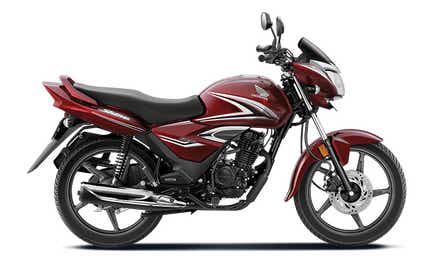
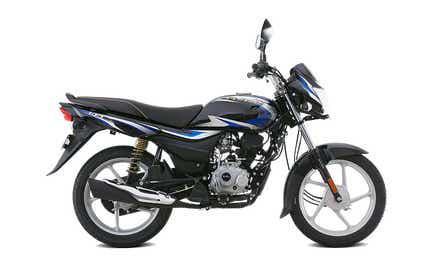
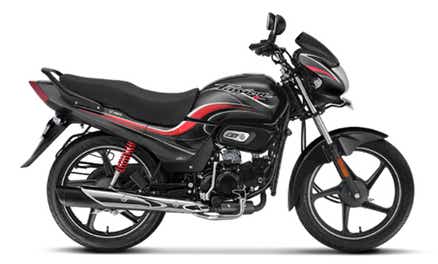
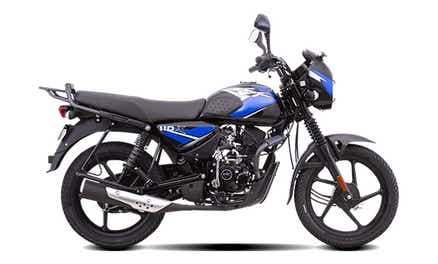
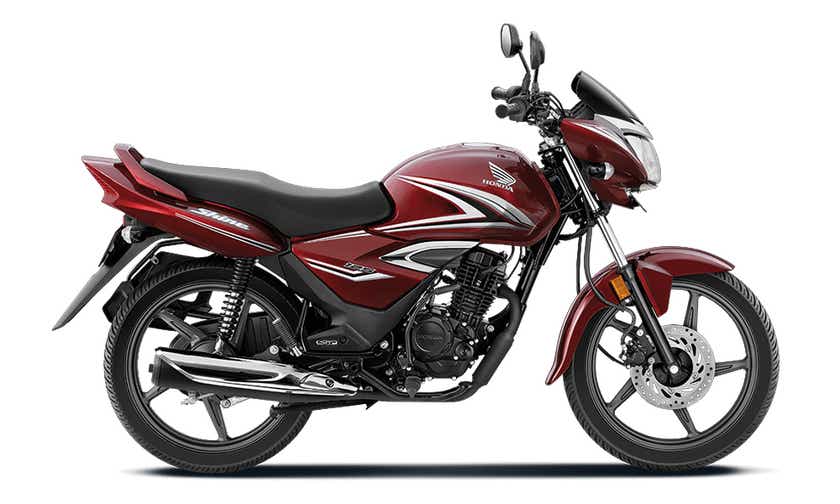
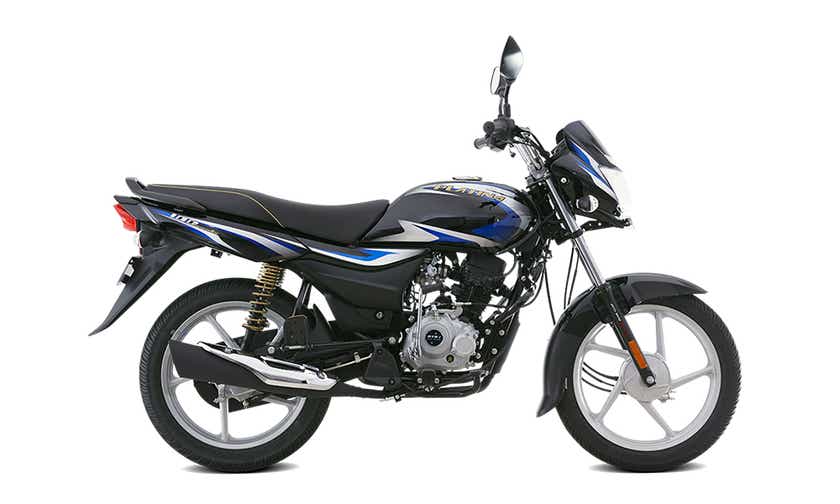
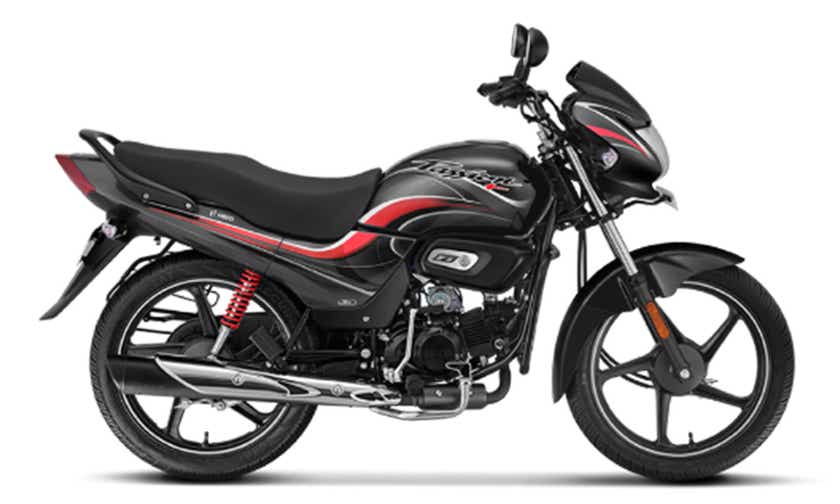
The Splendor Plus BS6 price remains among the most competitive in the 100cc commuter segment. The Hero Splendor Plus price on road is competitive against all of them. Key rivals include the Honda Shine 100, Bajaj Platina 110, and TVS Radeon. In service network density and long-term resale value, the bike has a real, clear advantage. Most rural and semi-urban buyers choose it over rivals partly because a service centre is never far away.
Splendor Plus price starts at Rs. 76,946 ex-showroom for the Drum Brake OBD2B variant. The top Million Edition is Rs. 79,677. Hero splendor plus on road price will be higher by Rs. 8,000 to Rs. 15,000, depending on your state. Check with your nearest Hero dealer for the most current on-road quote.
ARAI-claimed Splendor mileage is 70 kmpl. Real-world owner figures consistently sit between 60 and 65 kmpl. City riding with frequent stops tends to return around 55 to 60 kmpl. The i3S system on upper variants improves efficiency further by cutting the engine at idle. Tyre pressure and service regularity both affect returns.
The 2025 update brought OBD2B emission compliance, new colours including Sports Red Black and Industrial Dark Grey, and revised graphics. The mechanical setup remains unchanged. The i3S technology is now available across more variants than before, improving fuel economy across the range.
Both are solid 100cc commuters priced similarly. The Splendor leads on mileage and service network reach in rural areas. The Shine 100 has slightly sharper styling. For service accessibility in smaller towns, the Splendor is the safer pick.
Bluetooth is not available on standard Splendor Plus BS6 variants. It comes on the Xtec range, which is a separate model on the same platform. The Xtec adds a digital Bluetooth cluster, USB charging, and a disc brake option.
The fuel tank holds 9.8 litres. At 60 to 65 kmpl real-world mileage, the range is around 580 to 620 km per tank. That is one of the best range figures in the 100cc segment. Most daily commuters fill up every 10 to 12 days, which keeps refuelling effort very low.