






 Displacement
 Mileage - ARAI
 Kerb Weight
 Fuel Tank CapacityBraking System
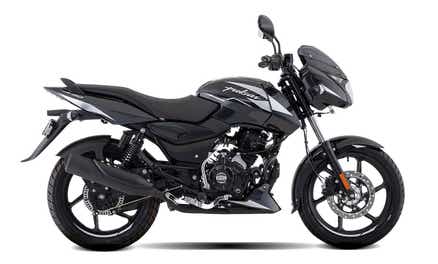
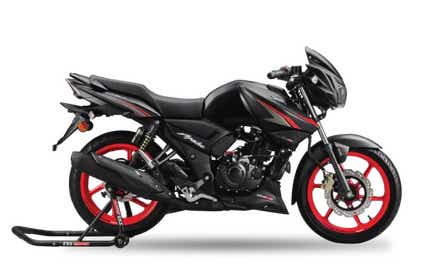
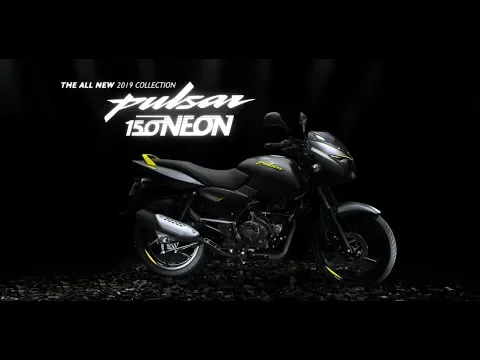
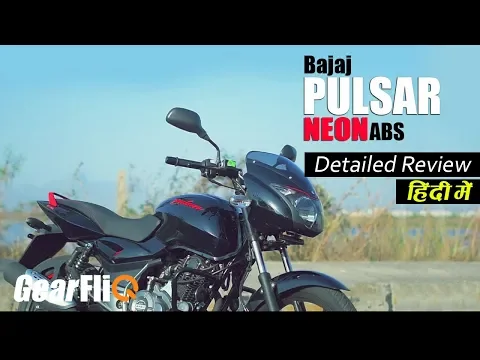
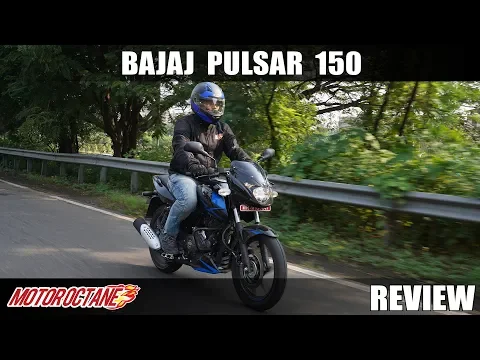
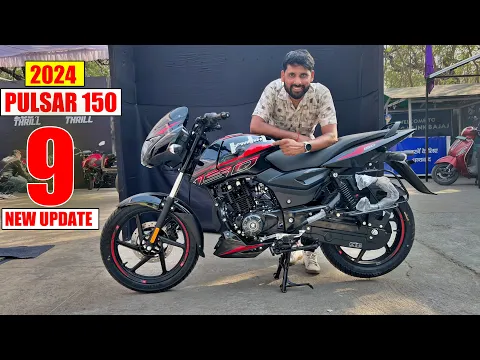
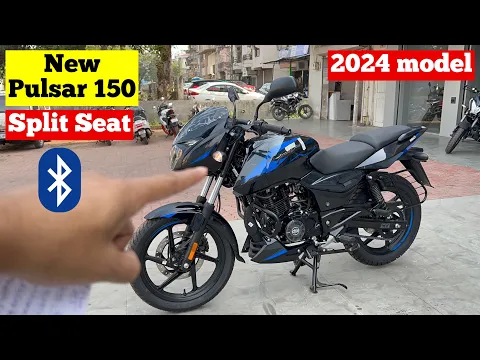
The Bajaj Pulsar 150 keeps its instantly recognisable muscular fuel tank and sleek tail section, a silhouette that has defined the nameplate since its earliest generations. The 2026 refresh brings a new LED headlamp and LED turn indicators in place of the old halogen units, a meaningful visibility upgrade for night riding without touching the bike's classic proportions.
The TD UG tops the range with a split-seat layout and split grab rails for a sportier look, while the SD sticks with a single-piece seat and single-piece pillion grab handle aimed more directly at commuting duty than outright style.
Instrumentation varies by trim. The base SD variant uses an analogue dial, while the SD UG and TD UG variants step up to a fully digital instrument cluster with Bluetooth connectivity through the Bajaj Ride Connect app, adding call alerts and ride notifications that the entry variant misses out on entirely.
USB charging comes standard across the connected variants, a small but useful addition for riders who rely on their phone for navigation during longer rides through unfamiliar routes. The tank shrouds and tail section keep the same sporty proportions the nameplate has carried for years, giving the bike a road presence that still turns heads despite its long production run. Even small buyers browsing rival showrooms tend to recognise the silhouette, a rare feat for any motorcycle still on sale after this many years.
The Pulsar 150 is offered in five colours across the range, including Black Gold, Ebony Black, Cherry Red, Ink Blue, Ebony Black Dark Grey, and Bottle Green with Copper Beige, with Black Gold available at no additional cost across every variant.
| Feature | Detail |
| Headlamp | LED with LED turn indicators |
| Instrument Cluster | Analogue (SD) or digital, Bluetooth |
| Colours | 5, incl. Black Gold |
| Seat | Single-piece (SD) or split (TD UG) |
| Charging | USB (connected variants) |
| Wheelbase | 1,320 mm (Single Disc) 1,340 mm (Twin Disc) |
| Fuel Tank | 15 litres |
The engine itself is a 149.50cc, air-cooled, 2-valve, twin-spark, BS6-compliant DTS-i unit with fuel injection, producing 13.81 bhp at 8,500 rpm and 13.25 Nm of torque at 6,500 rpm through a 5-speed gearbox. The twin-spark plug setup improves combustion efficiency, part of why this engine has stayed competitive on both performance and mileage over so many years on sale.
Bajaj has confirmed this motorcycle, along with every other model it has built over the past decade, runs safely on E20-blended petrol, useful reassurance as the fuel's rollout expands across more Indian pumps.
Pulsar 150 mileage is around 47.5 kmpl on official figures, with owner-reported data closer to 49 kmpl in mixed use. Riders researching mileage per litre figures typically find city riding pulls this down into the low 40s, while steady highway cruising can approach the claimed number more closely.
The engine pulls cleanly through the midrange, favoured by generations of riders seeking sportier acceleration than a basic 100cc commuter without stepping up to the added cost of a 200cc motorcycle. Riders comparing the Bajaj Pulsar 150 on paper against newer NS-series siblings will find this classic-series engine tuned more for flexible daily use than aggressive top-end pull. Throttle response stays predictable across the rev range, and the twin-spark ignition helps the engine feel eager even at lower revs where some single-spark rivals feel comparatively flat. Vibration through the footpegs and handlebar stays within acceptable limits for the class, helped by years of incremental refinement to the same basic engine architecture.
| Specification | Value |
| Displacement | 149.50 cc |
| Max Power | 13.81 bhp at 8,500 rpm |
| Max Torque | 13.25 Nm at 6,500 rpm |
| Gearbox | 5-speed |
| Engine Type | Twin Spark, DTS-i, FI |
| E20 Compatible | Yes |
| Fuel Tank | 15 litres |
Suspension comes from telescopic forks up front paired with twin hydraulic shock absorbers at the rear on the SD variant, while the TD UG steps up to Nitrox-charged, adjustable rear suspension for a firmer, more controlled ride under harder use.
Kerb weight sits at approximately 150 kg, a touch heavier than newer naked rivals but part of why this motorcycle has always felt planted and stable at speed rather than nervous or twitchy through fast corners.
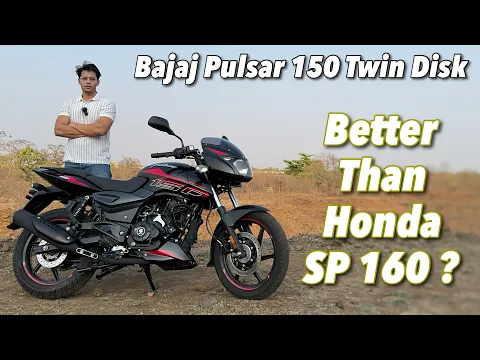
Braking hardware differs sharply by variant. The SD uses a front disc paired with a rear drum, while the TD UG adds a second disc at the rear for noticeably sharper stopping power, backed by ABS across the range for more consistent braking control regardless of surface. Feedback through the lever stays predictable in both setups, giving riders confidence when braking hard from higher speeds on the highway, an important trait given how often this motorcycle covers long intercity distances rather than staying confined to city traffic.
The 1,320 mm wheelbase on the single-disc variant contributes to the bike's planted, stable feel on the highway, though it does trade away some of the flickability that newer, shorter-wheelbase rivals offer in tight city traffic.
Riders researching kerb weight ahead of a purchase decision generally find this bike's heft reassuring at speed rather than a drawback, especially for taller or heavier riders who find lighter 150cc rivals feel insubstantial underneath them on rougher roads. Suspension travel front and rear stays comfortable for daily use, soaking up the kind of broken road surfaces common on secondary routes without transmitting harsh jolts through to the rider.
| Specification | Value |
| Front Suspension | Telescopic fork |
| Rear Suspension | Twin hydraulic or Nitrox (TD UG) |
| Braking | Disc front, drum or disc rear, ABS |
| Kerb Weight | 150 kg |
| Fuel Tank | 15 litres |
Pulsar 150 mileage under official test conditions comes in at approximately 47.5 kmpl, while owner-reported figures average closer to 49 kmpl across mixed city and highway riding. This remains a solid figure for a naked 150cc motorcycle with this much low-end and mid-range performance on tap.
The 15-litre fuel tank, among the largest in its class, translates to a working range well past 650 km per fill at the more efficient end of that spread, useful for owners who prefer fewer stops at the pump across a typical week of riding.
Bajaj backs it with a standard manufacturer warranty and one of the widest dealer and service networks of any two-wheeler brand operating in India, an advantage that shows up clearly when parts or servicing are needed outside a major city. Service intervals stay in line with what most 150cc owners already expect, and routine costs rarely surprise buyers coming from another Bajaj model.
Running costs stay predictable thanks to decades of parts commonality across the Pulsar range, keeping maintenance straightforward even at independent garages, and resale value has historically held up well given how widely trusted and recognised the nameplate remains among second-hand buyers nationwide. Insurance premiums stay modest for a 150cc motorcycle in this price bracket, and the widespread availability of aftermarket parts keeps out-of-warranty repairs cheaper than on less common rivals. Fuel economy over a full year of ownership compounds noticeably given the large 15-litre tank, translating into fewer overall visits to the pump than most riders initially expect.
| Running Cost Factor | Detail |
| Mileage (Official) | 47.5 kmpl |
| Mileage (Owner Reported) | 49 kmpl |
| Fuel Tank | 15 litres |
| Riding Range | 650 km plus per fill |
| Warranty | Standard Bajaj manufacturer cover |
The current lineup offers three variants, including SD, SD UG, and TD UG, all sharing the same 149.5cc engine with differences in braking, suspension, and features. Pulsar 150 price starts at approximately Rs. 1,11,197 ex-showroom for the SD, with the SD UG sitting close to Rs. 1,14,094 and the range-topping TD UG at around Rs. 1,17,906.
Bajaj Pulsar 150 on-road price in Delhi works out to close to Rs. 1,29,227 once RTO charges and insurance are added, a jump buyers should account for beyond the ex-showroom sticker quoted at the dealership. Its on-road price naturally varies further by state depending on local RTO structures and insurance premiums, sometimes by several thousand rupees between neighbouring states.
Riders searching for the Pulsar 150 new model are looking at this 2026 refresh, which brought LED lighting and updated graphics without touching the proven engine underneath in any meaningful way.
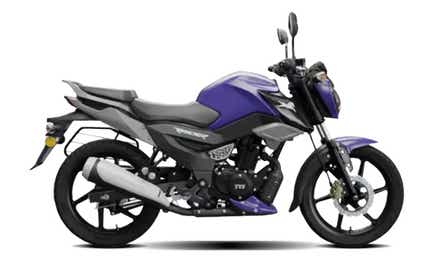
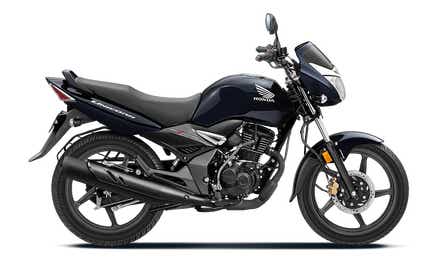
Key rivals include the Honda Unicorn, TVS Apache RTR 160, and Hero Xtreme 160R. Against these, this motorcycle leads on outright value and fuel tank capacity, while newer rivals generally offer sharper styling and marginally better mileage figures. Buyers cross-shopping this segment on badge trust and decades of parts availability tend to favour the Pulsar name over newer, less proven alternatives, even when a rival edges ahead on paper specifications alone.
| Variant | Ex-showroom Price |
| SD | Rs. 1,11,197 |
| SD UG | Rs. 1,14,094 |
| TD UG | Rs. 1,17,906 |
It starts at approximately Rs. 1,11,197 ex-showroom for the SD variant and rises to around Rs. 1,17,906 for the top TD UG variant with twin disc brakes.
It typically works out to close to Rs. 1,29,227 in Delhi once RTO charges and insurance are included on top of the ex-showroom figure, varying further by state.
It comes in at approximately 47.5 kmpl under official test conditions, with owner-reported figures averaging closer to 49 kmpl across mixed riding.
Yes. Bajaj periodically revises pricing to reflect input costs and compliance updates, though the underlying 149.5cc engine and mechanical package remain unchanged. Buyers comparing quotes across dealerships should always confirm the latest price, since factory revisions and state-level charges both move the final number more than the ex-showroom base price alone suggests.
It carries a 15-litre fuel tank, among the largest in the 150cc naked segment, giving a working range well past 650 km per fill.
Yes. It brings LED headlamps, LED turn indicators, and fresh graphics for 2026, while keeping the proven 149.5cc engine and mechanical layout unchanged from previous years.