





 Max Power
 Top Speed
 Max TorqueBraking SystemKerb Weight
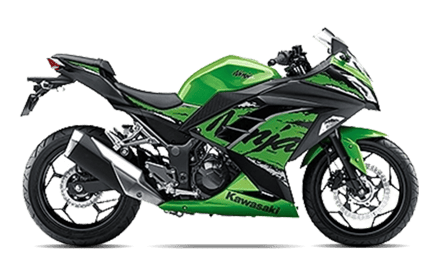
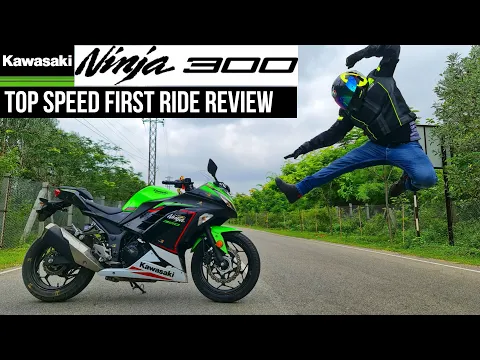
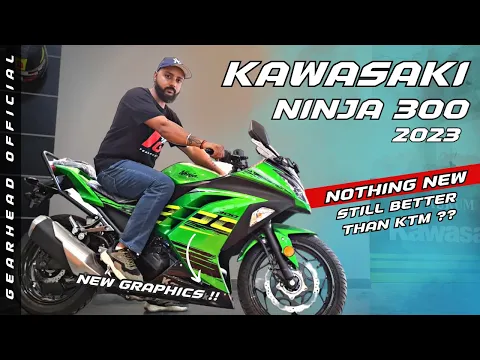
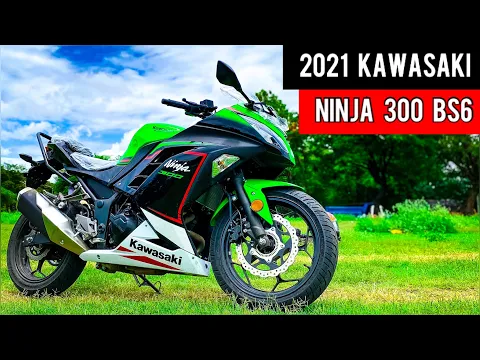
The Kawasaki Ninja 300 wears an aggressive, aerodynamic full-fairing silhouette that consistently punches well above its accessible price bracket, drawing clear design inspiration from significantly bigger Ninja sportbikes in Kawasaki's global lineup. Sharp, heavily sculpted body panels, a pointed aerodynamic nose fairing, and a distinctive twin-pod halogen headlamp assembly combine to give it the massive visual presence of a proper, full-sized sportbike rather than a basic entry-level commuter machine.
Two striking premium colours are officially on offer for the updated 2026 model year: Candy Lime Green paired with Ebony, alongside the classic solid Lime Green. Both stunning options proudly carry the iconic, globally recognised Ninja green that passionate brand enthusiasts have associated with the legendary racing nameplate for years. Significantly updated, aggressive body graphics arrive flawlessly with each annual model refresh, keeping the motorcycle's visual appeal incredibly current entirely without requiring massive, expensive mechanical changes to the proven underlying chassis.
A classic, completely analogue instrument cluster brilliantly featuring a massive central tachometer screaming all the way up to 15,000 rpm gives the rider's cockpit an undeniable old-school mechanical charm that perfectly suits the bike's high-revving sporting character. However, independent expert reviewers frequently note the absence of a modern full-colour TFT display as a fairly clear miss, given the motorcycle's premium positioning relative to single-cylinder rivals that now offer fully digital consoles and electronic riding modes. The robust 17-inch cast alloy wheels, utilised at both ends, comfortably carry 110/70 front and 140/70 rear tubeless tyres, perfectly rounding off a reliable hardware list.
| Feature | Detail |
| Instrument Console | Analogue with tachometer |
| Fairing | Full aerodynamic fairing |
| Colours | 2 |
| Front Wheel | 17-inch alloy |
| Rear Wheel | 17-inch alloy |
| Tyres | Tubeless |
The power on the capable Kawasaki Ninja 300 comes from a proven 296cc, liquid-cooled, parallel-twin engine featuring an advanced DOHC setup. This high-revving powertrain effortlessly produces an impressive 38.88 bhp of maximum power at 11,000 rpm and a substantial 26.1 Nm of peak torque arriving at 10,000 rpm. The remarkably smooth-shifting 6-speed manual gearbox benefits from a modern, effective assist and slipper clutch. This remains a premium mechanical feature more commonly found on bigger, track-focused sportbikes, which helps to manage unwanted rear-wheel hop during aggressive high-speed downshifts.
This wonderfully refined twin-cylinder layout undeniably remains the premium motorcycle's biggest competitive advantage, providing it a smooth linear power delivery that similarly priced single-cylinder rivals in this price range simply cannot match. The aggressive engine truly comes alive above 7,000 rpm and rewards experienced riders who are willing to rev it hard with a smooth pull all the way to its screaming redline.
The Ninja 300 attains a top speed of around 170 to 180 kmph, with dedicated forum owners reporting practical real-world top-end figures in this range during verified, closed-course GPS runs. The refined parallel-twin engine is genuinely happy cruising effortlessly at sustained highway speeds securely between 100 and 120 kmph without any noticeable mechanical strain. These specific characteristics make the lightweight sportbike capable of long-distance highway touring, despite its compact 296 cc engine displacement.
| Specification | Value |
| Displacement | 296 cc |
| Max Power | 38.88 bhp at 11,000 rpm |
| Max Torque | 26.1 Nm at 10,000 rpm |
| Gearbox | 6-speed manual, slipper clutch |
| Top Speed | 170-180 kmph |
| Mileage | 26 kmpl (owner reported) |
A premium suspension on the agile Kawasaki Ninja 300 comes from reliable 37mm telescopic front forks offering 120mm of vertical wheel travel, paired with an advanced Bottom-link Uni-Trak rear monoshock absorber actively featuring convenient 5-step spring preload adjustability and 132mm of travel. This sophisticated chassis setup is meticulously tuned specifically for engaging, sporty road riding, consistently feeling exceptionally composed and perfectly balanced through incredibly tight mountain corners without ever being punishingly stiff or jarringly uncomfortable on severely rough urban pavement patches.
Ninja 300’s accessible seat height is 785 mm, while the motorcycle's official kerb weight is very light at 179 kg. Both of these practical physical dimensions contribute massively to a premium motorcycle that consistently feels notably agile, delightfully flickable, and exceptionally confidence-inspiring even for entirely new, inexperienced riders just entering the thrilling sportbike segment. Several dedicated forum reviews explicitly describe the premium purchase price as feeling justified by how fantastic the rigid diamond steel chassis feels during spirited, aggressive corner carving on the weekends.
Ninja 300’s dependable braking performance comes from a massive 290mm petal front disc clamped by a powerful dual-piston calliper and a reliable 220mm petal rear disc, backed by an advanced dual-channel ABS module as standard factory equipment. Independent reviewers consistently praise the robust braking system for easily offering excellent tactile lever feel and incredibly strong stopping power, perfectly suited to the high-revving engine's overall dynamic performance. Pillion accommodation remains functional but undeniably basic.
| Specification | Value |
| Front Suspension | 37mm telescopic, 120mm travel |
| Rear Suspension | Uni-Trak monoshock, 132mm travel |
| Front Brake | Disc, dual-channel ABS |
| Seat Height | 785 mm |
| Kerb Weight | 179 kg |
| Fuel Tank | 17 litres |
Owner-reported real-world mileage on the Kawasaki Ninja 300 averages 26 kmpl across heavily mixed daily riding conditions. Practical real-world efficiency figures frequently range from 20 kmpl in severely heavy, heavily congested stop-and-go city traffic, steadily climbing much closer to an impressive 30 kmpl on relaxed, steady-speed highway cruising stretches. The sculpted 17-litre fuel tank capacity gives the premium sportbike an incredibly comfortable, practical real-world cruising range perfectly suited for heavily mixed urban riding and spirited weekend touring without requiring overly frequent, annoying fuel stops.
However, ongoing routine running costs and long-term scheduled maintenance are where the premium motorcycle has historically drawn the absolute most consistent, vocal criticism nationwide. Multiple dedicated owners on various enthusiast forums specifically regularly flag incredibly high genuine replacement spare parts as a big financial concern.
The routine scheduled service intervals require complete synthetic oil changes every 3,000 km, mandatory drive chain cleaning and heavy lubrication every 1,000 km, and comprehensive routine servicing every 6,000 km. These specific maintenance costs undeniably add up quite noticeably over a full calendar year of regular daily riding. Kawasaki's limited authorised premium service network remains a recurring logistical concern, with many passionate riders residing outside major Indian metropolitan cities frequently travelling long distances just to reach an authorised professional service centre.
The desirable Kawasaki Ninja 300 is currently officially offered in the competitive Indian market exclusively in a single, exceptionally well-equipped Standard variant and two striking premium colour options specifically for the updated 2026 model year. The official Kawasaki Ninja 300 price starts at an attractive Rs. 3,17,000 ex-showroom, making it the most affordable premium Kawasaki motorcycle currently on official sale in India.
The actual comprehensive on-road prices vary noticeably by city across the country due to widely differing local state registration charges, heavy RTO road taxes, and mandatory comprehensive insurance premiums selected by the buyer. For instance, enthusiastic New Delhi buyers generally end up paying remarkably close to Rs. 3,67,000 on the road, depending entirely on their specific regional RTO fees.
Kawasaki India also frequently runs promotional discount schemes on the premium motorcycle, with massive cash vouchers ranging between Rs. 25,000 and Rs. 28,000 offered on previous model years.
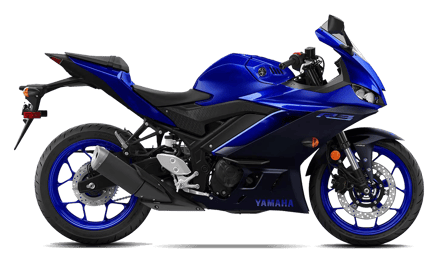
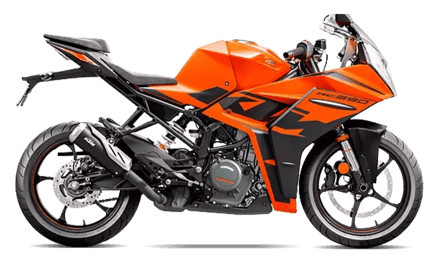
The premium on-road price safely positions it against the agile Yamaha R3, the incredibly aggressive KTM RC 390, and the stylish TVS Apache RR 310 on paper. However, the premium sportbike undercuts almost all three capable rivals on final ex-showroom price, while simultaneously offering the unique, refined twin-cylinder mechanical character that no single-cylinder competitor in the segment can replicate.
| Variant | Approx. Ex-showroom Price |
| Ninja 300 Standard | Rs. 3,17,000 |
The Kawasaki Ninja 300 price officially starts at Rs. 3,17,000 ex-showroom exclusively for the 2026 Standard variant. Comprehensive on-road prices in New Delhi are typically closer to Rs. 3,67,000, depending heavily on local RTO and insurance charges.
The Kawasaki Ninja 300 top speed is around 170 to 180 kmph, with dedicated forum owner GPS runs consistently confirming practical real-world figures in this high-speed range.
Owner-reported real-world mileage reliably averages 26 kmpl for the premium twin-cylinder motorcycle, with heavy city traffic figures hovering around 20 kmpl and relaxed highway cruising figures approaching an impressive 30 kmpl.
The on-road price undeniably varies quite noticeably by city. Enthusiastic New Delhi buyers typically pay remarkably close to Rs. 3,67,000 on the road. Kawasaki also periodically offers massive discount vouchers worth up to Rs. 28,000.
Yes, an advanced dual-channel ABS module is included completely as standard factory equipment on the current premium lineup, working seamlessly with massive disc brakes at both ends for incredibly confident daily stopping power.
The Kawasaki Ninja 300 offers a smoother, refined twin-cylinder engine with a significantly more accessible financial price tag, while the KTM RC 390 aggressively brings more outright power from its single cylinder.