




 Max Power
 Top Speed
 Max TorqueBraking SystemKerb Weight
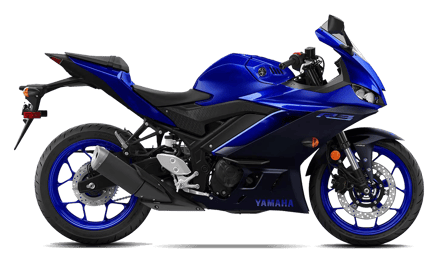
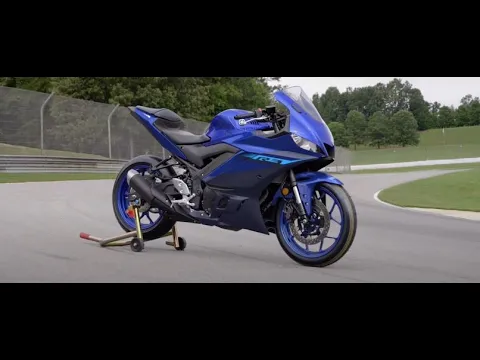
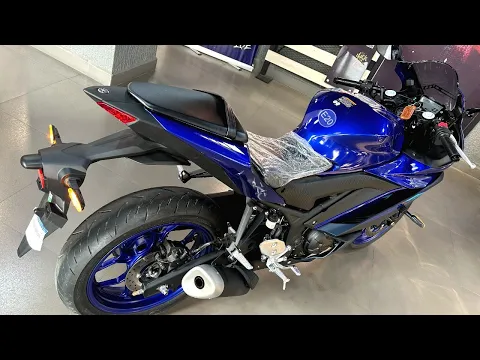
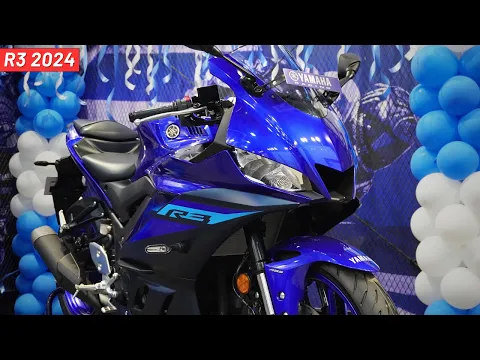
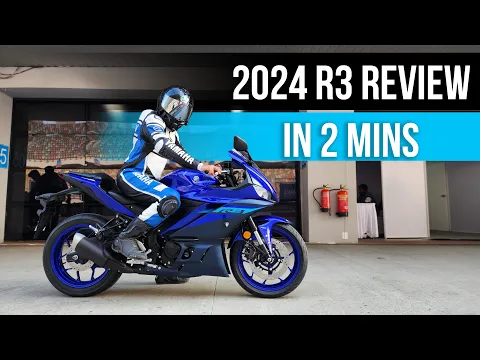
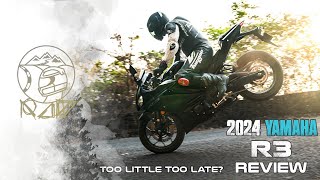
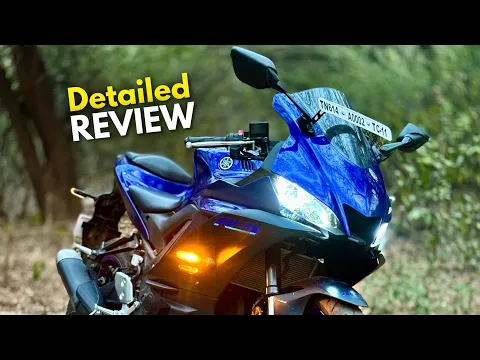
The Yamaha R3 beautifully wore aggressive aerodynamic styling that perfectly fell in line with Yamaha's broader, globally recognised R-series design language. It prominently featured twin LED projector headlamps, a beautifully sculpted aerodynamic full fairing, and a remarkably sporty, sharply upswept tail section. The signature Racing Blue premium factory colour was undeniably among the absolute most popular consumer options, pairing Yamaha's iconic motorsport blue with striking contrasting body graphics in a unique way that dedicated owners consistently described as visually striking and incredibly premium.
Two attractive premium factory colours were officially offered during its recent market run: Racing Blue and Midnight Black. Both stunning visual options were exceptionally well received by passionate forum owners strictly for beautifully presenting a remarkably clean, purposeful, sporty look, without feeling overly flashy.
The newer modern generation recently officially revealed in international markets brilliantly adds an all-new, aggressive front fairing design. This updated aerodynamic layout effectively features a powerful central LED projector headlight and sleek bar-type LED DRLs, successfully bringing the premium motorcycle significantly closer to the aggressive, modern R-series family look currently seen on the R7 and R9 superbikes.
A traditional digital LCD instrument cluster utilised on the outgoing older model efficiently handled all vital ride data and essential trip metrics. However, skipping a modern full-colour TFT digital dashboard, a premium technological feature now rapidly becoming standard equipment among direct segment rivals, was a noticeable omission.
| Feature | Detail |
| Instrument Console | LCD |
| Headlamp | Twin LED projector headlamps |
| Colours | 2 |
| Front Suspension | USD forks |
| Wheels | 17-inch alloy, both ends |
| ABS | Dual-channel |
The Yamaha R3 was powered by a proven 321cc, liquid-cooled, parallel-twin engine producing 41.4 bhp at 10,750 rpm and 29.5 Nm of peak torque at 9,000 rpm. A remarkably smooth-shifting 6-speed manual gearbox, intelligently equipped with a modern assist and slipper clutch, efficiently sent incredibly consistent power directly to the rear wheel via a durable traditional chain drive system.
Independent expert reviewers consistently enthusiastically described the refined parallel-twin powertrain as undeniably one of the highlights of the motorcycle's performance. The advanced engine brilliantly offered a genuinely incredibly smooth, remarkably refined mechanical character that beautifully built predictable, linear power all the way aggressively up to its massive rev ceiling. During rigorous closed-circuit track testing by various independent professional riders, the Yamaha R3 top speed was around 170 kmph. Importantly, the sophisticated parallel-twin engine consistently felt remarkably composed, mechanically unstrained, and exceptionally confident even while sustaining these incredibly high speeds for extended high-performance periods.
The owner reported that the real-world fuel efficiency averaged around 29 kmpl under mixed riding conditions. However, according to extensive forum reviews, the mileage was around 22 kmpl during high-revving canyon riding and can push slightly over 35 kmpl during relaxed, steady-speed highway cruising. The beautifully sculpted 14-litre fuel tank capacity provided a workable, immensely practical real-world cruising range suited for regular daily office commuting duties alongside rigorous weekend track day sessions without requiring overly frequent fuel stops.
| Specification | Value |
| Displacement | 321 cc |
| Max Power | 41.4 bhp at 10,750 rpm |
| Max Torque | 29.5 Nm at 9,000 rpm |
| Gearbox | 6-speed manual, slipper clutch |
| Top Speed | 170+ kmph |
| Mileage | 29 kmpl (owner reported) |
The premium suspension on the agile Yamaha R3 came with robust upside-down front forks, beautifully and paired with a high-quality rear monoshock absorber. Both highly sophisticated chassis components were meticulously tuned for a perfect dynamic balance of plush everyday road compliance and razor-sharp cornering composure. Independent expert reviewers consistently praised the incredibly rigid diamond steel chassis configuration, with multiple experienced track riders frequently describing it as one of the most communicative and exceptionally rewarding handling experiences currently available in its competitive displacement class.
The official kerb weight was incredibly light, 169 kg, while the accessible saddle seat height measured 780 mm. Both of these practical figures combined to make the Yamaha R3 physically accessible and easy to manage for most riders, despite its aggressive supersport market.
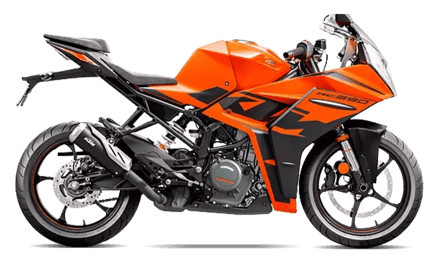
The overall riding posture, while undeniably sporty, deliberately leaned significantly less aggressively forward than a hardcore, track-focused machine like the KTM RC 390. This thoughtful ergonomic engineering choice effectively gave the premium sportbike significantly more practical everyday riding comfort, specifically for passionate riders who regularly split their heavy usage completely evenly between rigorous daily urban commuting and spirited weekend canyon rides.
The braking performance utilised a single front disc and a reliable rear disc brake setup, backed by a standard dual-channel ABS module. This robust braking hardware earned enthusiastic praise from independent expert reviewers for a progressive and tactile lever feel under hard or high-speed emergency braking.
| Specification | Value |
| Front Suspension | USD forks |
| Rear Suspension | Monoshock, preload adjustable |
| Brakes | Disc front and rear, dual-channel ABS |
| Seat Height | 780 mm |
| Kerb Weight | 169 kg |
| Fuel Tank | 14 litres |
Owner-reported real-world fuel mileage on the Yamaha R3 consistently averaged around 29 kmpl under mixed daily riding conditions.
However, the wide variance could frequently be seen in practical real-world efficiency figures. Also, according to numerous forum reviews, the rider's aggressive riding style directly affected the fuel efficiency of this high-revving motorcycle. relaxed, steady-speed long-distance highway touring predictably reliably returned significantly better, impressive economy numbers, while frequent, aggressive high-revving track use naturally dropped practical mileage figures significantly below the standard average mark.
The ongoing long-term routine running costs unequivocally, unfortunately, sat firmly at the absolute high-end specifically for this middleweight displacement class. Dedicated owners consistently, heavily, and regularly flagged incredibly high routine scheduled service centre maintenance costs and severely expensive imported genuine replacement spare parts as higher ownership costs compared with some rivals.
This pricing strategy struggled in the competitive Indian market, primarily because more aggressive and more technologically advanced rivals such as the KTM RC 390 offered more electronic rider technology and slightly more outright horsepower at a comparable or even significantly lower entry price point.
Despite these valid, vocal financial market concerns, the motorcycle's absolutely incredible, smooth, smooth twin-cylinder engine character and well-engineered chassis setup consistently earned genuine long-term loyalty from passionate owners who valued absolute mechanical engine refinement over raw electronic specification sheets.
The desirable Yamaha R3 was previously officially offered in the competitive Indian market exclusively in a single, well-equipped Standard variant spread in two striking premium factory colours. The official Yamaha R3 price last stood at Rs. 3,39,332 ex-showroom before its official discontinuation in December 2025. This streamlined product strategy kept the final purchasing decision incredibly straightforward for absolutely all prospective premium luxury buyers entering the dealership.
The actual comprehensive on-road prices unsurprisingly varied by city across the country, due to differing local state registration charges, heavy RTO road taxes, and mandatory insurance premiums selected by the buyer. For instance, New Delhi buyers generally ended up paying close to Rs. 3,90,000 on the road right before available dealership inventory finally ran out at all authorised national showrooms.
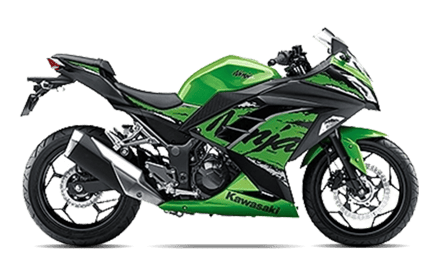
Yamaha India is currently expected to officially launch the updated, radically redesigned new-generation model around 2026 to recapture lost market share. This anticipated replacement model is expected to feature updated, sharper aerodynamic styling, significantly more modern digital electronic rider features, and a competitive, fully revised premium pricing strategy that currently remains unconfirmed. Key direct premium competitors actively dominating this fierce performance segment during its historic market run logically included the incredibly powerful KTM RC 390, the refined Kawasaki Ninja 300, and the incredibly stylish TVS Apache RR 310, all of which offered compelling and unique riding experiences.
| Variant | Approx. Last Known Ex-showroom Price |
| R3 Standard | Rs. 3,39,332 |
No, the Yamaha R3 was unfortunately discontinued in the Indian market as of December 2025. Yamaha stopped all CBU imports, exhausting national inventory, though a new-generation model is expected but the timeline is not disclosed by Yamaha as of now.
The Yamaha R3 price last officially stood at Rs. 3,39,332 ex-showroom, following massive price cuts from its steep original Rs. 4.65 lakh launch price. Total on-road prices in New Delhi averaged closer to Rs. 3,90,000.
The independent road tests have recorded a top speed of around 170 kmph with its high-revving engine.
Owner-reported real-world mileage averaged around 29 kmpl, with practical figures varying between 22 and 35 kmpl, depending on riding style and traffic conditions.
It perfectly utilised a proven 321cc liquid-cooled parallel-twin engine reliably producing 41.4 bhp of maximum power and 29.5 Nm of peak torque, seamlessly and paired with a 6-speed manual gearbox and a slipper clutch.
The Racing Blue colour was officially offered on the previous model. Whether it will return on a future-generation R3 has not been confirmed by Yamaha.